

By Hélène Fortier, EDI committee member (helene.fortier@skipatrol.ca)
October is Islamic History Month across Canada. It is a time to recognize and celebrate the significant contributions of Muslim communities to the nation’s diverse tapestry, including the world of snow sports. Muslim Canadians have made their mark in sport, academia, arts, and beyond, enriching Canada’s history and communities. For CSP members, this month presents an opportunity to reflect on both the heritage and the growing presence of Muslims on ski hills and trails across the country.
Growing diversity in Canadian snow sports
Recent years have seen an increase in Muslim Canadians participating in skiing and snowboarding, as grassroots initiatives and community organizations help break down barriers, making winter recreation more accessible. Programs across Canada (like those in the north and urban centres) have introduced Muslim youth and families to winter sports, fostering inclusion and life-long enjoyment on the slopes.
Two notable Muslim Canadian alpine skiers are:
Adam Lamhamedi – alpine skier
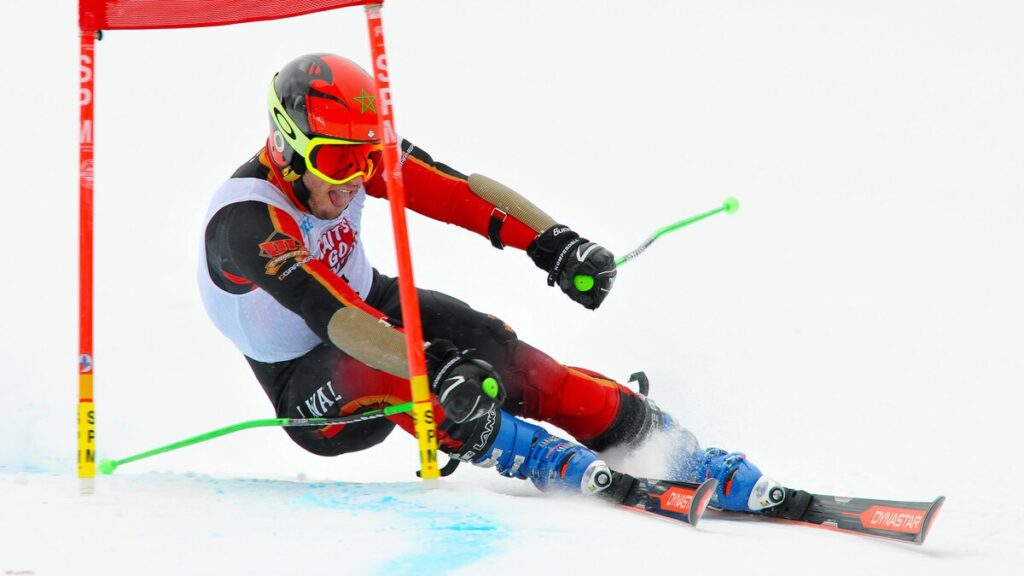
Photo credit: Jean-Baptiste Benavent
Adam was born in Quebec and trained with Canadian teams and became a top-ranked skier in Canada. He chose to represent Morocco internationally, winning a Youth Olympic medal and competing in multiple Olympic Games.
Shannon-Ogbnai Abeda – alpine skier
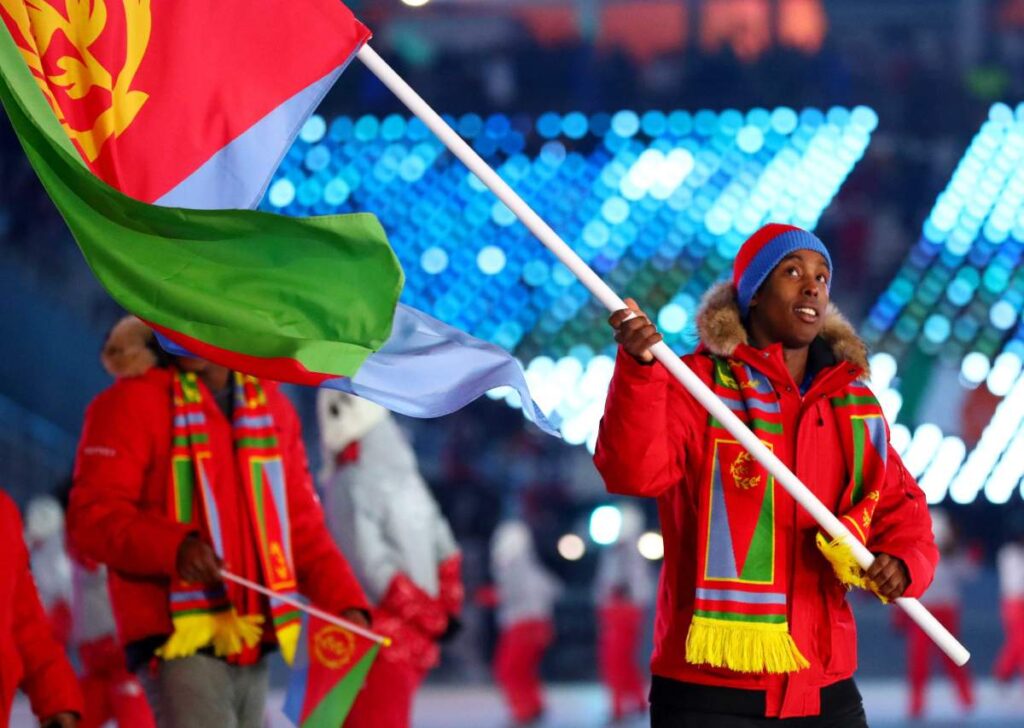
Photo credit: Global News
Shannon is an Eritrean-Canadian born in Fort McMurray, Alberta. He trained and raced in Canada and represented Eritrea at the 2012 Youth Winter Olympics and the Winter Olympics (2018, 2022).
Cultural considerations for ski patrollers
As Canada’s slopes and trails grow more diverse, it is crucial for patrollers to provide culturally sensitive and inclusive care. Here are key nuances to keep in mind when supporting Muslim skiers and snowboarders:
Religious observances
Muslim patients may be observing prayer times, dietary restrictions, or fasting, particularly during religious periods. Always ask before offering food or water, and respect requests for breaks to observe prayers.
Modesty and dress
Some Muslim women may wear a hijab or modest clothing. If medical attention requires removing outerwear, communicate clearly about the reasons and seek consent. When possible, involve a same-gender patroller for comfort of the patient.
Physical contact
Respect personal boundaries, especially for Muslim women. Ask about preferences and explain procedures before touching or assisting a patient.
Family support
Many Muslim patients value the involvement of family members in medical decisions. Where possible, facilitate their inclusion and communicate respectfully.
Combatting islamophobia
Islamic History month is also a time to address ongoing challenges. Patrollers can contribute to a safe and welcoming environment by remaining vigilant against discrimination and fostering mutual respect on and off the slopes.
Lifelong learning and community building
Islamic History Month calls on every Canadian, including ski patrollers, to learn, celebrate, and promote understanding. By respecting cultural nuances and modelling inclusive care, CSP members help build a recreational landscape where all can feel welcome, safe, and supported.
Let’s embrace this month as a moment to deepen our knowledge and compassion, ensuring every skier and snowboarder of every background, experiences the best of Canada’s winter culture.
Happy Islamic History month!
This post is also available in: